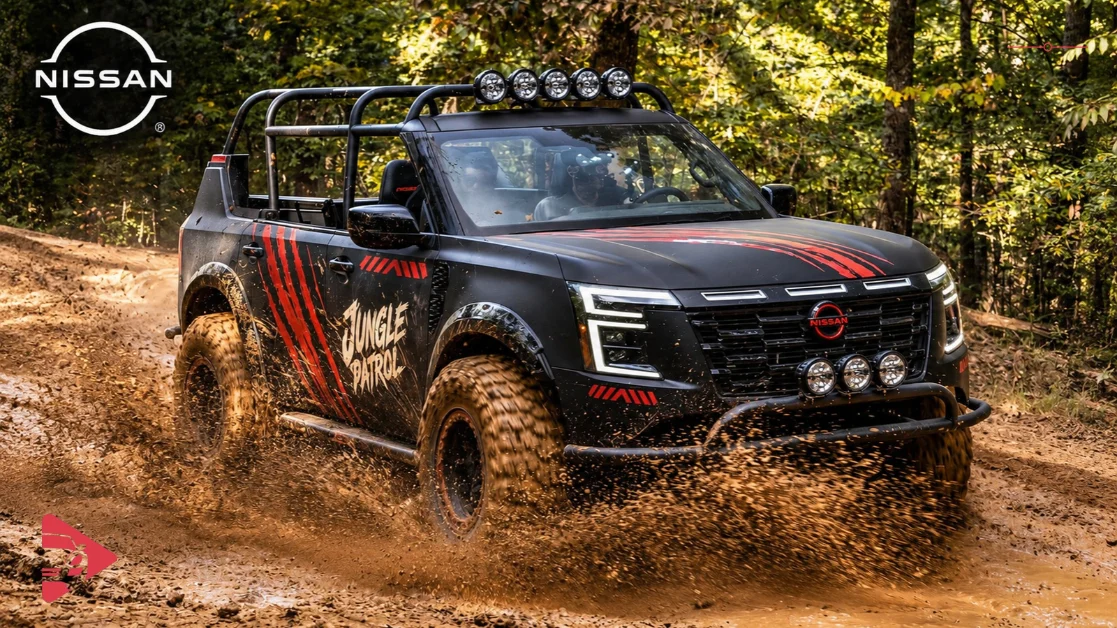
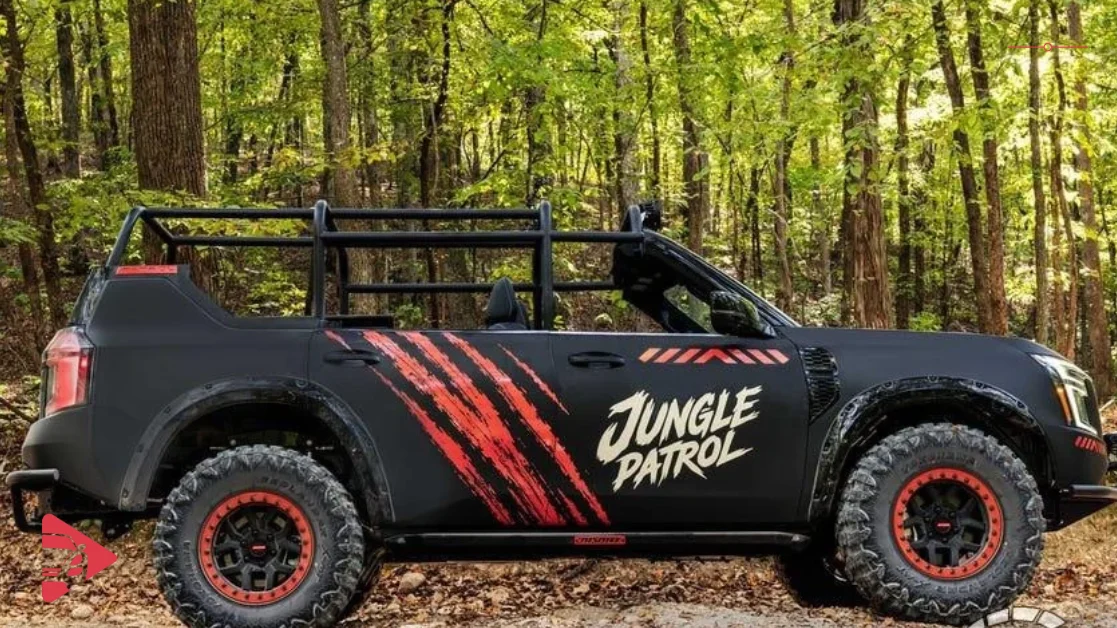
Nissan surprised Patrol enthusiasts with a test version that differs completely from the familiar model, transforming the SUV into an open safari vehicle by removing the roof entirely and redesigning the rear section of the cabin to accommodate seats dedicated to observing nature and wildlife. The idea was not limited to changing the exterior appearance, but also included extensive modifications to the suspension, wheels, and lighting, making the vehicle equipped for exploratory trips through forests and challenging terrain.
Nissan is preparing to showcase this version during the 2026 SEMA Show in Las Vegas, presenting an unconventional vision of the Patrol’s capabilities away from paved roads. Interestingly, the company retained the twin-turbo V6 engine producing 425 horsepower and directed most of its development efforts toward the body and off-road equipment rather than increasing mechanical power.
Nissan Patrol for Sale in Saudi Arabia

Quick Summary
Nissan has unveiled an open test version of the Patrol, redesigning it as a safari vehicle dedicated to exploratory trips and wildlife viewing. The modifications included removing the metal roof, installing a tubular roll cage and opposing longitudinal rear seats, along with 37-inch tires, a specialized suspension system, and additional Nismo lights to improve visibility on off-road routes.
The vehicle retained its 3.5-liter twin-turbo V6 engine producing 425 horsepower, with the addition of a sport exhaust system without any announced increase in power. It is scheduled to be showcased at the 2026 SEMA Show in Las Vegas, but it remains a display-focused test version, and Nissan has not announced plans to sell it commercially.
Nissan Patrol Transforms into a Safari Vehicle: What Changed in Its Design?
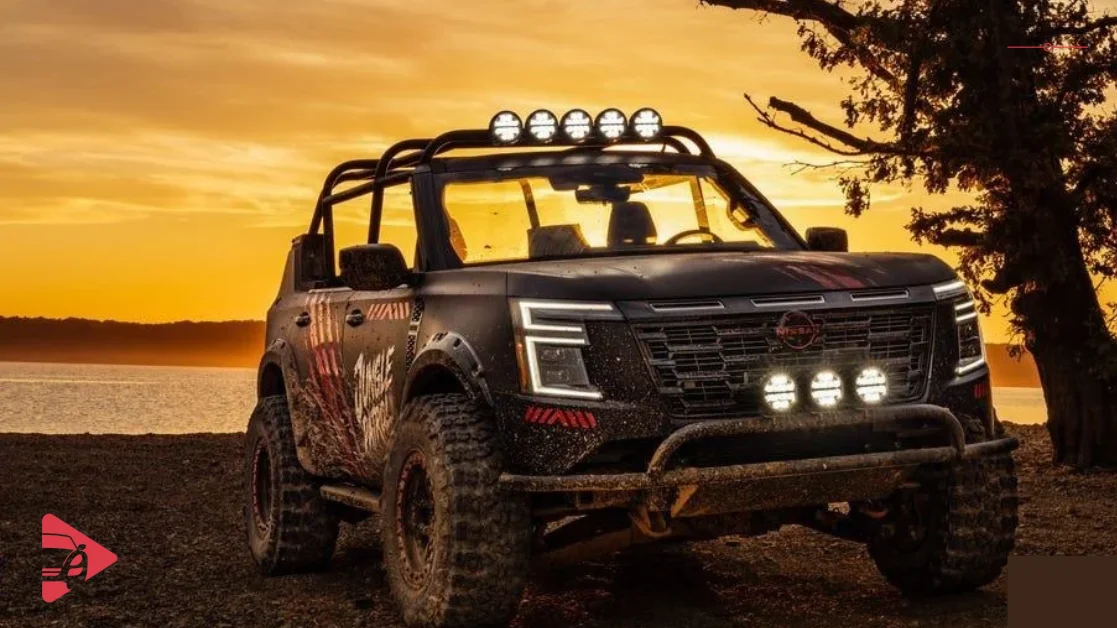
The biggest change in the project is the complete abandonment of the metal roof, a decision that gives the Patrol a character distinct from conventional SUVs. Instead of the usual roof, the vehicle received a tubular roll cage extending over the cabin to maintain the required protective structure while keeping the upper section open to passengers.
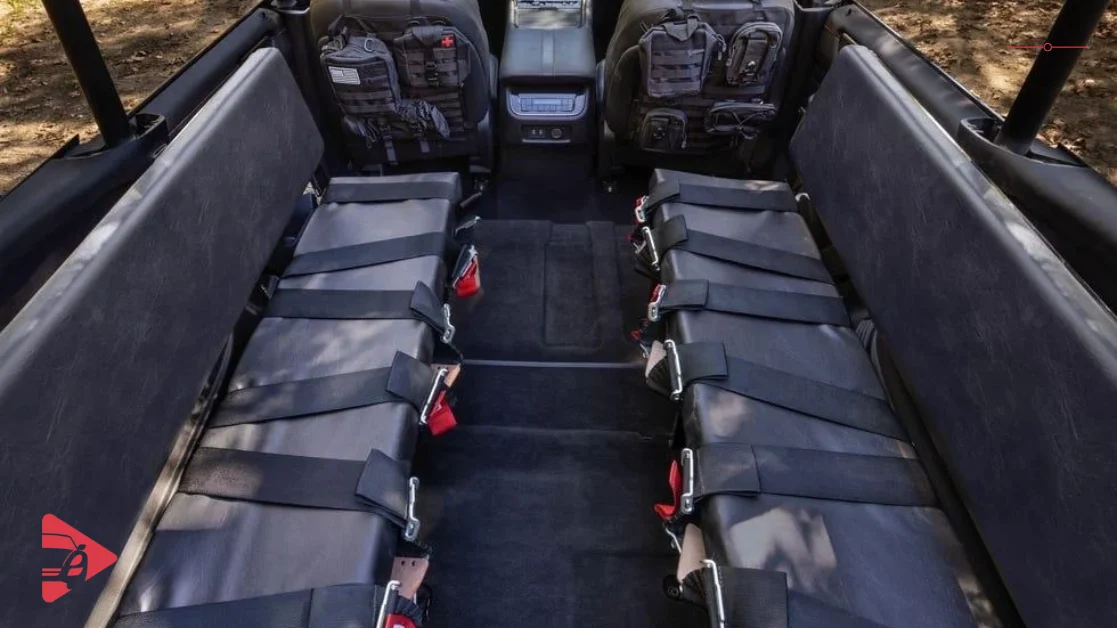
Nissan also rearranged the rear interior space, replacing the traditional seats with opposing longitudinal seats facing the center of the vehicle in a design inspired by safari vehicles used in nature reserves.
This arrangement allows passengers to enjoy a wider field of view and observe landscapes and wildlife from inside the vehicle, rather than sitting in conventional rows of seats. This is where the project’s core idea becomes clear: the Patrol is no longer merely a vehicle equipped for off-road driving, but has been transformed into an exploration vehicle whose design serves the experience of open-air excursions.
37-Inch Tires and a Special Suspension System: The Patrol Prepares for Challenging Terrain
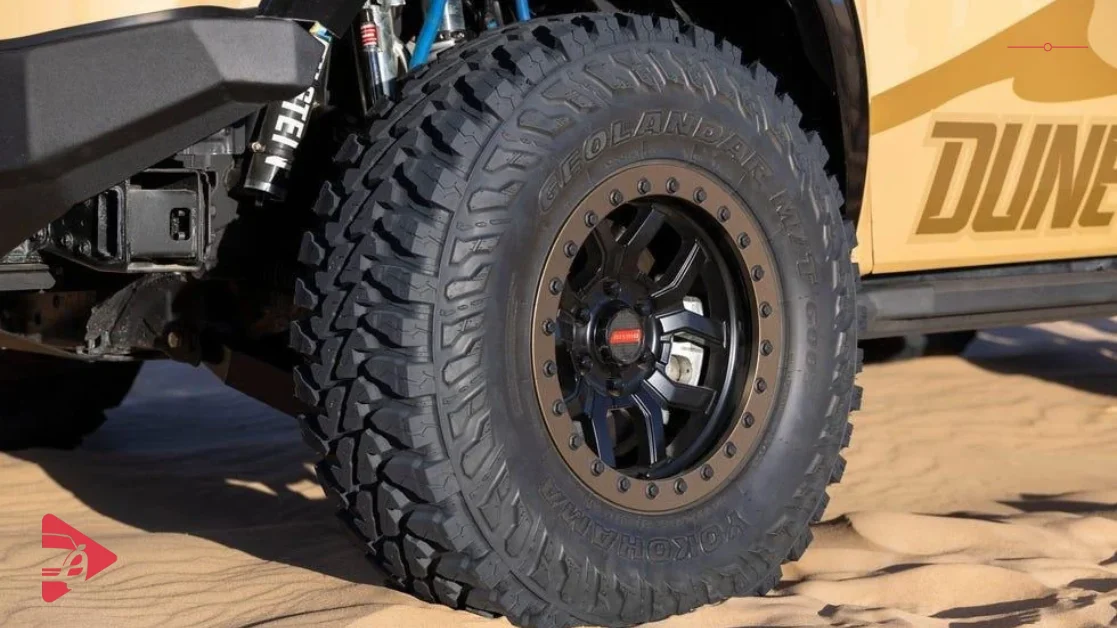
The modifications did not stop at removing the roof and changing the seats, as the test version received a package of equipment designed to improve its ability to handle uneven terrain.
The vehicle relies on 18-inch Nismo test wheels with huge 37-inch Yokohama tires, providing a larger contact patch with the ground and improving performance on sandy, muddy, and rugged surfaces.
As for the suspension system, it comes from CJD Racing and features specialized components that provide greater wheel travel, along with adjustable high-performance shock absorbers and external reservoirs. The track width was also increased compared with the standard Armada to suit the large tires and the modifications made to the vehicle.
The equipment is completed by steel bumpers designed specifically for the project and wide fenders, providing the necessary protection and space for the new wheels when moving across challenging terrain.
Additional Nismo Lights and a Roll Cage: Equipment for Night Trips
The Nissan Patrol Safari received a set of Nismo lighting equipment designed for off-road use, with units mounted in the front bumper and others positioned above the roll cage.
These additions are intended to improve visibility when driving in natural areas, especially at night or in places lacking illumination. The tubular roll cage also complements the open design, becoming one of the key elements distinguishing the test version from the standard Patrol.
These details demonstrate that the project was not based solely on removing the roof as a cosmetic change; the vehicle was also re-equipped to suit the exploratory use for which it was designed.
Nissan Patrol Safari Engine: 425 Horsepower Without Mechanical Modifications
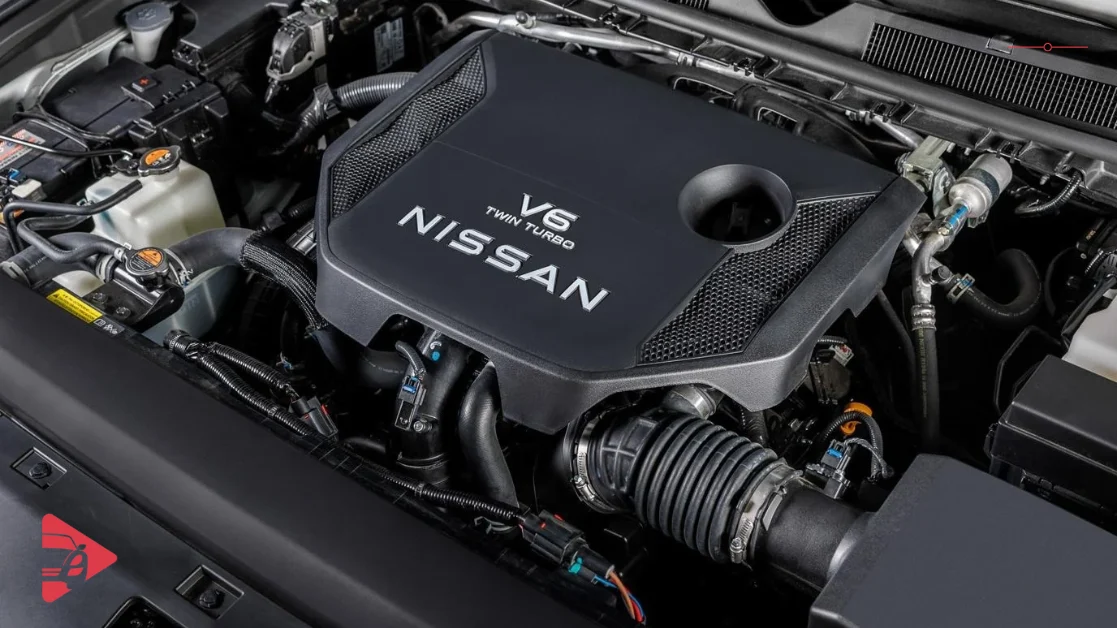
Despite the major changes to the body and suspension system, Nissan did not introduce a new engine for this version. Instead, it retained the Patrol’s familiar powertrain, which relies on a 3.5-liter twin-turbo V6 engine producing up to 425 horsepower.
However, the company added a Nismo sport exhaust system to alter the exhaust note and improve exhaust gas flow, without announcing any increase in horsepower or internal engine modifications.
This choice reflects that the priority in developing the version was to improve the vehicle’s equipment and off-road capabilities rather than transform it into a high-performance model for paved roads.
Will Nissan Sell the Open Patrol Safari?
Although the equipment the vehicle received may attract modification and off-road enthusiasts, the open Patrol Safari remains a display-focused test version and not a production trim that the company has announced for commercial sale.
Therefore, there is no official information about its price or when deliveries to customers might begin. Its appearance at the SEMA Show also does not mean that the equipment used in it will be available among Patrol options at dealerships.
However, the project offers a glimpse of the possibilities that can be achieved when the Patrol is modified specifically for a purpose, particularly regarding suspension systems, wheels, lighting, and protective equipment. Some of these ideas may inspire modification enthusiasts, without implying that Nissan will eventually adopt them as an official package.
Desert and Safari Patrols: How Nissan Is Expanding Modification Concepts
The open version does not come independently of Nissan’s efforts to showcase the Patrol’s capabilities in different environments. The company previously presented a version designed for the desert, while this time it is offering a concept intended for safari trips and the exploration of forests and nature reserves.
The difference between the two projects is not limited to appearance but extends to their intended use and required equipment. The desert version focuses on the demands of driving on sand, while the open version aims to provide a viewing and exploration experience with equipment suited to rugged terrain.
In Brief
The open Nissan Patrol Safari presents one of the most distinctive Patrol modification concepts, thanks to its open roof, rear safari seats, and tubular roll cage, along with 37-inch tires, a specialized suspension system, and Nismo lighting equipment.
Although it retains the 425-horsepower twin-turbo V6 engine, its most notable feature is the major transformation in the vehicle’s character and equipment, turning it into an exploration vehicle designed for open-air excursions rather than simply serving as a conventional SUV.
Nevertheless, it should be emphasized that this version is a test project for display at SEMA 2026, and there has been no official announcement about offering it to customers. For now, it represents a showcase of the Patrol’s potential in the world of modifications and off-road driving more than a new model awaiting its arrival in showrooms.